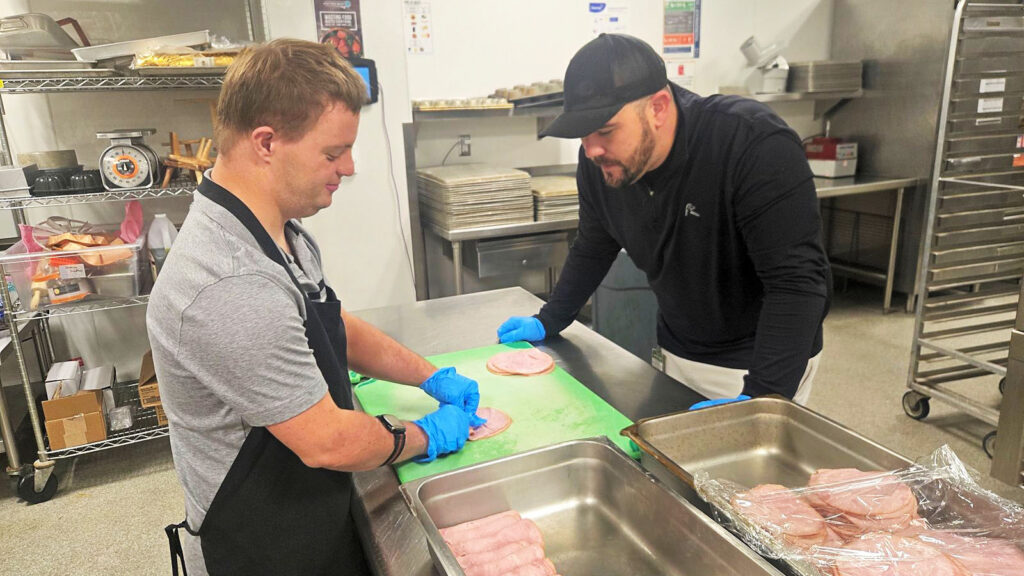
Every year on July 26, National Disability Independence Day commemorates the signing of the Americans with Disabilities Act (ADA) in 1990. This landmark civil rights law helped open doors by prohibiting discrimination based on disability and expanding opportunities for people with disabilities to participate more fully in their schools, workplaces and communities.
More than three decades later, the ADA continues to shape everyday life in ways many of us take for granted. Curb cuts, accessible parking, captioned videos, ramps, automatic doors and workplace accommodations all reflect a broader commitment to ensuring that people with disabilities have equal access and opportunity. These improvements don’t just benefit people with disabilities, they make our communities more accessible for everyone.
For families raising children with disabilities, independence often looks different at every stage of life. It may mean a young child communicating their needs for the first time, a student successfully participating in school, a young adult finding meaningful employment, or an adult making decisions about where they live and how they participate in their community. Independence is not about doing everything alone; it’s about having the supports, accommodations and opportunities needed to make choices and live a self-directed life.
National Disability Independence Day is also a reminder that accessibility is an ongoing process. While significant progress has been made since the ADA became law, barriers still exist. Physical accessibility, digital accessibility, inclusive education, employment opportunities and community participation continue to evolve as technology and society change. Organizations across the country are increasingly recognizing that accessibility benefits everyone and are incorporating inclusive design into websites, products and services from the beginning rather than as an afterthought.
At Encircle Families, we see every day how informed families, supportive schools, responsive healthcare providers and inclusive communities can help children and adults with disabilities thrive. Through information, training, resources and parent-to-parent support, we work alongside families as they navigate systems, advocate for their children and plan for the future.
Take a moment to celebrate the achievements of people with disabilities, recognize the progress made over the past 36 years, and consider how each of us can help create communities where everyone has the opportunity to participate, contribute and belong.
Together, we can continue building a future where accessibility, inclusion and opportunity are available to all.