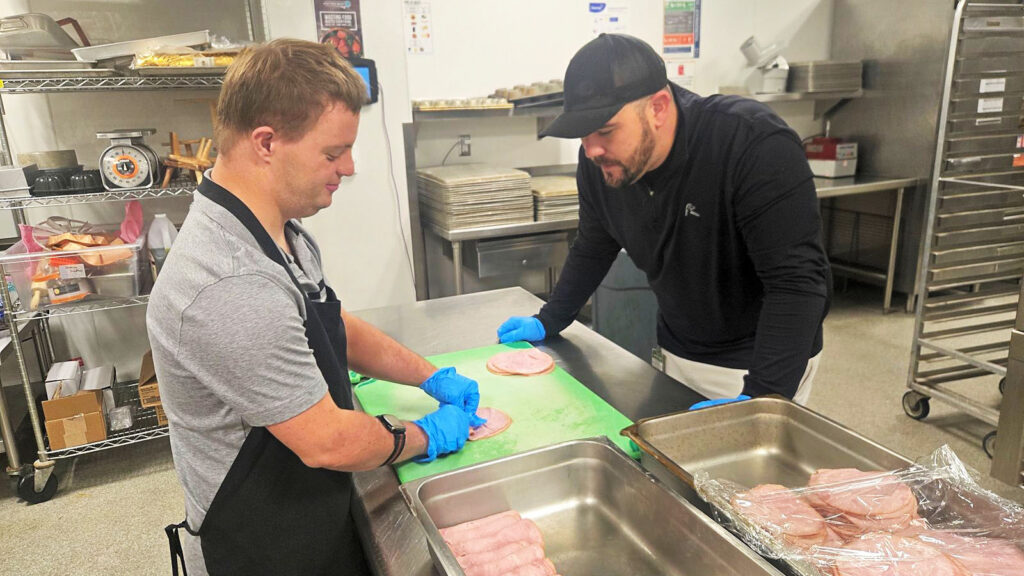
As families help young adults with disabilities plan for life after high school, many are exploring alternatives to a traditional four-year college path. Career and technical education (CTE) programs, industry certifications and workforce training opportunities can open doors to employment and independence, but an important question remains: Which credentials actually lead to meaningful opportunities?
A recent commentary from the Thomas B. Fordham Institute takes a closer look at the growing use of career credentials in high schools and what current research tells us about their value. The article explains that many states have invested heavily in industry-recognized credentials as part of career readiness efforts, but researchers are still learning which credentials truly improve employment and earnings outcomes for students. (Fordham Institute)
Research highlighted in the article suggests that some students who earn career credentials experience stronger employment outcomes and higher early earnings after high school, especially when those credentials are connected to high-quality career and technical education programs. The benefits appear strongest when students gain hands-on experience, technical skills and real-world workplace preparation in addition to the credential itself. (Fordham Institute)
For families of young adults with disabilities, this is an important reminder that career planning should focus on long-term goals and practical outcomes, not simply earning certificates. Not all credentials carry the same value, and some may lead to stronger employment opportunities than others.
When exploring career training programs, families may want to ask:
- Is the credential recognized by employers in our area?
- Does the program include hands-on learning, internships or work-based experiences?
- Will the credential help open doors to competitive integrated employment?
- Can the credential build toward future education or advancement opportunities?
- Does the training match the young adult’s interests, strengths and support needs?
The article also highlights that some students who pursue career credentials are less likely to enroll in college immediately after high school. That does not mean college is the wrong choice. Instead, it reinforces that there are many different pathways to adulthood and employment success. For some young adults, a credential program, apprenticeship, community college certificate or supported employment opportunity may be a strong fit. For others, a college degree may remain the best path.
For transition-age youth with disabilities, career exploration and transition planning are especially important. Families can work with the IEP team, vocational rehabilitation services, community colleges and workforce development programs to identify pathways that align with the young adult’s goals and abilities.
As schools and policymakers continue expanding career credential programs, families can play an important role by asking thoughtful questions and helping young adults pursue pathways that lead not only to employment, but also to confidence, independence and long-term quality of life.